Key takeaways
- Communication is a learnable skill — it improves with practice, not talent alone.
- Core areas: listening, clear speaking, writing, and collaboration.
- Practice by presenting, joining groups, and asking for feedback.
- Strong communication boosts grades, teamwork, and job prospects.
- Related: career planning for students and time management for students.
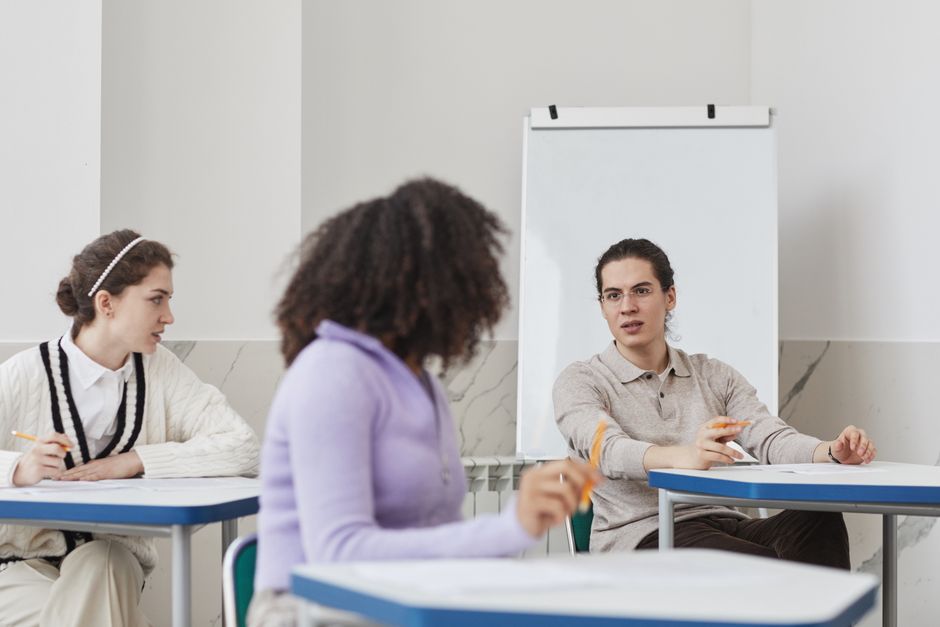
Communication skills to build
| Skill | How to practice | Payoff |
|---|---|---|
| Active listening | Summarize what you hear | Fewer misunderstandings |
| Public speaking | Present, join clubs | Confidence |
| Writing | Draft + revise | Clearer work |
| Collaboration | Group projects | Teamwork skills |
In today's interconnected world, academic success isn't just about individual brilliance; it's also about how effectively you can communicate your ideas and work collaboratively with others. Whether you're participating in class discussions, presenting a project, or working in a group assignment, strong communication and collaboration skills are essential. These skills not only enhance your learning experience but also lay the groundwork for your future career. This comprehensive guide will delve into the key aspects of effective communication, explore the dynamics of successful collaboration, and provide you with practical strategies to excel in both areas. If you've been sharpening your study techniques with insights from our post on smarter learning and keeping your mind sharp and stress-free as discussed in our guide to managing student stress, it's time to amplify your impact through effective interaction.
The Power of Clear Communication: More Than Just Talking
Effective communication goes far beyond simply speaking or writing. It's about conveying your message clearly, confidently, and in a way that resonates with your audience. It involves active listening, thoughtful articulation, and understanding non-verbal cues. Whether you're explaining a complex concept to a classmate or presenting your research to a professor, the ability to communicate effectively can significantly impact your academic journey. Strong communication skills also contribute to better understanding and retention of information, complementing the memory-boosting techniques we explored in our earlier post on supercharging your memory.
Active Listening: The Foundation of Understanding
True communication begins with listening. Active listening means fully concentrating on what is being said, understanding the message, responding thoughtfully, and remembering the information. It involves paying attention not just to the words but also to the speaker's body language and tone. Practice techniques like maintaining eye contact, asking clarifying questions, and summarizing what you've heard to ensure accurate understanding. In a classroom setting, active listening not only helps you grasp the material better but also shows respect to the speaker and encourages a more engaging learning environment.
The Synergy of Collaboration: Working Together for Greater Results
Group projects and collaborative assignments are common in academic settings. Effective collaboration involves more than just dividing tasks; it requires teamwork, mutual respect, and shared goals. When done well, collaboration can lead to richer learning experiences and better outcomes than working alone. It allows you to leverage diverse perspectives, learn from others' strengths, and develop crucial interpersonal skills.
Practical Strategies for Enhancing Your Communication and Collaboration Skills
Developing these essential skills requires conscious effort and practice. Here are some actionable strategies you can implement starting today.
Participate Actively in Class Discussions
Class discussions are an excellent opportunity to practice articulating your thoughts and listening to others. Don't be afraid to share your ideas, ask questions for clarification, and respectfully engage with differing viewpoints. The more you participate, the more comfortable and confident you'll become in expressing yourself verbally. This active engagement also reinforces your understanding of the course material, complementing your study efforts.
Practice Presentation Skills
Whether it's a formal presentation or an informal sharing of ideas, practice is key to effective delivery. Rehearse your presentations, focusing on your clarity, pacing, and non-verbal cues. Consider recording yourself to identify areas for improvement. Strong presentation skills are invaluable in academic settings and will be even more critical in your future professional life.
Engage in Group Activities and Seek Team Projects
Actively seek out opportunities to work in groups and participate in team-based projects. This provides a real-world setting to practice your collaboration skills, learn to navigate team dynamics, and contribute to a shared goal. Embrace the challenges and learn from each experience. Remember to apply the time management principles we discussed earlier to ensure group projects stay on track.
Your Voice Matters: Building Skills for Lifelong Success
Mastering communication and collaboration skills is an investment in your present and your future. These skills will not only help you excel in your academic pursuits but also equip you with the essential tools to thrive in your personal and professional life. By focusing on active listening, clear articulation, effective teamwork, and respectful engagement, you can speak up, stand out, and make a meaningful impact in all your endeavors. Embrace every opportunity to practice and refine these vital skills – your journey to success begins with effective connection and collaboration.
Frequently asked questions
How can students improve communication skills?
Practice active listening, take chances to present, write and revise regularly, and ask for feedback. Communication improves with deliberate practice more than natural talent.
Why are communication skills important for students?
They improve grades (clearer essays and presentations), make group work smoother, and are among the top skills employers look for after graduation.
How do I get better at public speaking?
Start small — speak up in class, join a club, or present to friends — and focus on clear structure. Repeated low-stakes practice builds confidence fast.
What is active listening?
Fully focusing on the speaker, then summarizing or asking questions to confirm understanding. It reduces misunderstandings and improves collaboration.
Do communication skills help in group projects?
Yes — clear communication and active listening are what make group projects run smoothly and produce better results with less conflict.
Related Study Skills Guides
- World: The Ultimate Guide to Studying Abroad for International Students
- Your Future Starts Now: The Ultimate Guide to Career Planning for Ambitious Students
- Your Guide to a Calm Mind: Navigating Student Stress and Prioritizing Mental Health
- The Ultimate Time Management Blueprint for Students: 10 Productivity Hacks to Crush Your Deadlines
Comments
Post a Comment